Expert Orthopaedic Care
Focused evaluation and treatment for joint, bone, and soft-tissue concerns.
Orthopaedic Care • Expertise • Trust
Move Better. Live Better.
Consultant Orthopaedic Surgeon specialising in arthroscopy, sports medicine, joint replacement and complex orthopaedic trauma—focused on mobility, recovery and patient-first care.
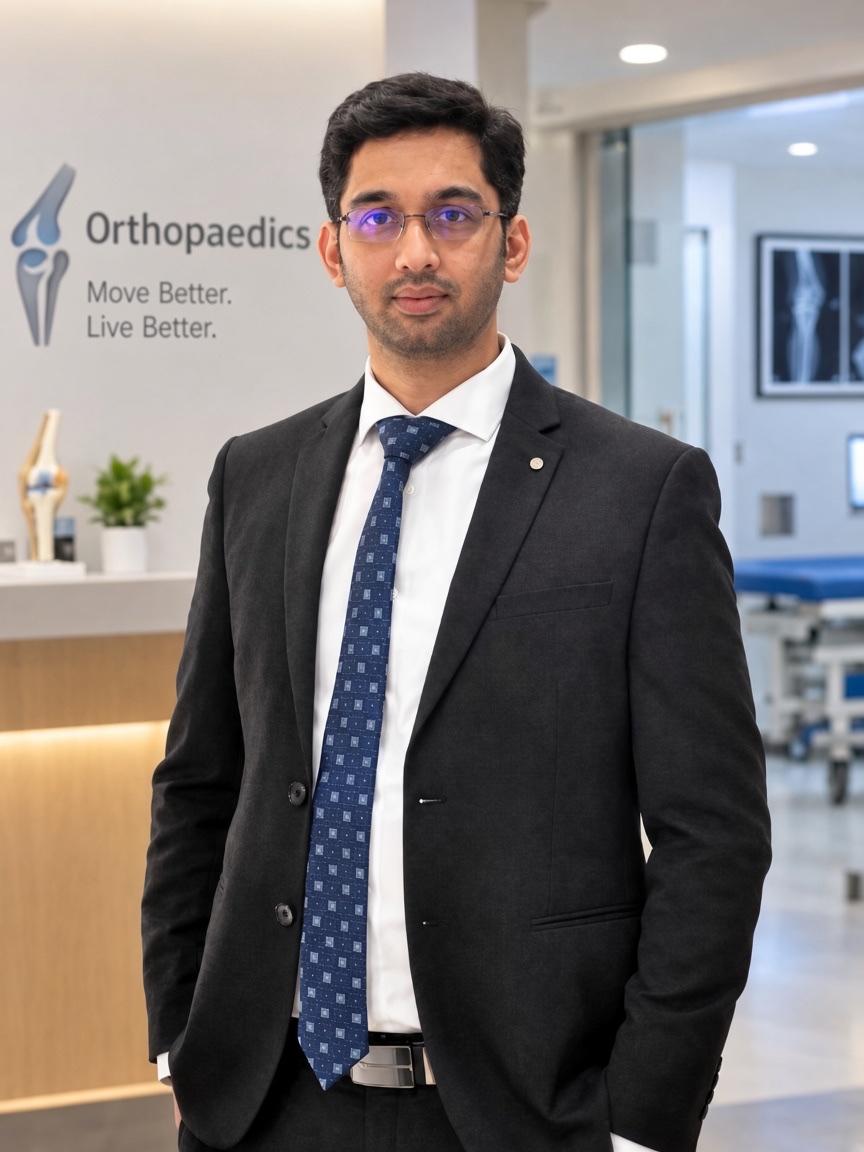
Focused evaluation and treatment for joint, bone, and soft-tissue concerns.
Care pathways shaped around your symptoms, lifestyle, and recovery goals.
Clear communication and collaborative decisions at every stage of care.
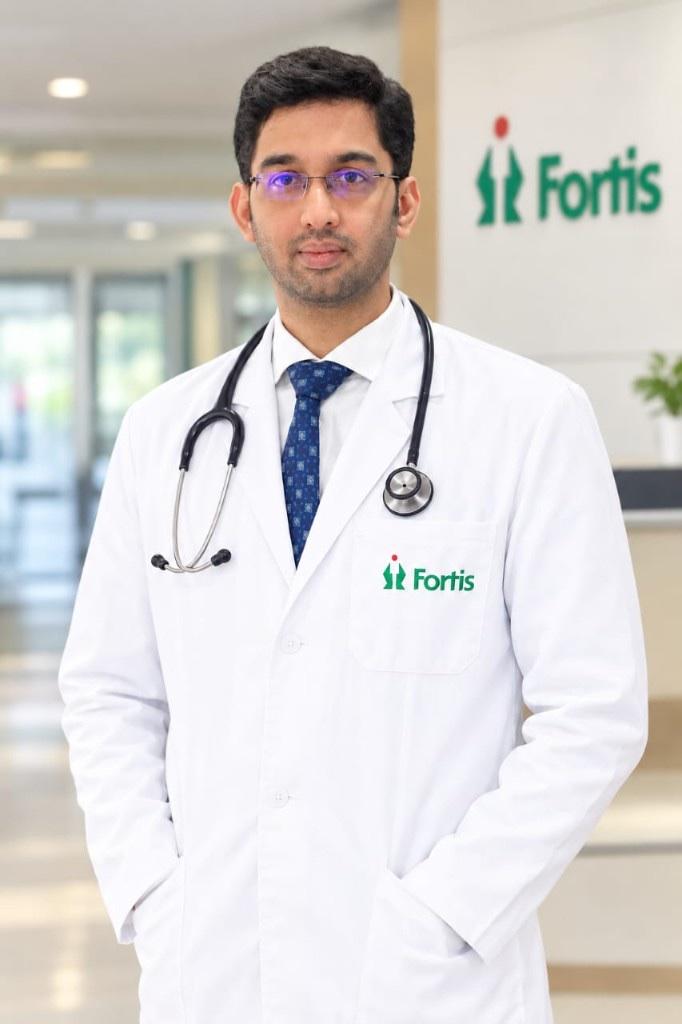
About the Doctor
Dr. Viplav V Shetty
Dr. Viplav Shetty believes in providing evidence-based, patient-centred orthopaedic care, with an emphasis on accurate diagnosis, appropriate treatment and helping patients achieve a safe and meaningful return to their daily and sporting activities.
Dr. Viplav Shetty is a Consultant Orthopaedic Surgeon with special interests in Arthroscopy, Sports Medicine, Joint Replacement and Complex Orthopaedic Trauma. He has a particular interest in the management of knee and shoulder sports and ligament injuries and degenerative joint conditions.
He is trained in the surgical management of a wide range of orthopaedic conditions, with a focus on arthroscopic procedures, ligament reconstruction, sports injuries and joint replacement surgery.
Conditions
Location 1 · Clinic
8th Main Cross Rd, Mahalakshmipuram Layout, Mahalakshmi Layout, Bengaluru, Karnataka 560096
drviplavshetty@gmail.com
Timings
FAQ
Orthopaedic surgeons care for concerns involving bones, joints, ligaments, tendons, and related soft tissues. This can include joint pain, arthritis, fractures, sports injuries, and mobility problems. A consultation helps determine the most appropriate next steps for your situation.
Consider a consultation if pain, stiffness, swelling, or reduced movement is affecting daily life, sleep, work, or activity—especially if symptoms persist, worsen, or follow an injury. Urgent care may be needed for severe trauma, deformity, or sudden loss of function.
Call Aviva Ortho Clinic or Fortis Hospital Rajajinagar on the Book Appointment page. The centre will confirm a suitable time over the phone.
Bring any previous imaging or reports if available, a list of current medications, details of prior treatments, and questions you would like to discuss. Comfortable clothing that allows examination of the affected area can also be helpful.
No. Many orthopaedic problems improve with rest, medicines, physiotherapy, activity changes, or injections. Surgery is considered when symptoms persist, function is limited, or imaging and examination show a problem that is unlikely to settle with non-surgical care. The right option is decided after a consultation.
Arthroscopy is a minimally invasive procedure that uses a small camera and instruments through tiny incisions to look inside a joint and treat problems such as ligament, meniscus, cartilage, or shoulder injuries. It is commonly used for the knee and shoulder. Whether it is suitable for you depends on the diagnosis.
ACL tears and other sports ligament injuries may be managed with rehabilitation alone or with reconstruction, depending on the degree of instability, your activity level, and associated injuries such as meniscus damage. An assessment, and often MRI, helps plan treatment and a safe return to sport.
Joint replacement may be discussed when wear-related joint pain and stiffness no longer respond well to medicines, physiotherapy, and activity modification, and daily life is significantly affected. It is not the first step for every arthritic joint. A careful review of symptoms, examination, and X-rays guides that decision.
Physiotherapy is often an important part of both non-surgical care and recovery after surgery. It helps restore movement, strength, and confidence. A personalised plan is usually advised after your diagnosis or procedure.
Recovery time varies with the procedure, your general health, and how closely rehabilitation is followed. Some arthroscopic day-care procedures allow an earlier return to walking, while ligament reconstruction or joint replacement needs a longer, staged recovery. Your surgeon will outline expected timelines at consultation.
You do not always need new scans before the first visit. Bring any X-rays, MRI, or reports you already have. If further imaging is required, it can be advised after examination so that the tests match your symptoms.
Many simple sprains settle with rest, ice, compression, elevation, and physiotherapy. Review is useful if pain, swelling, or instability continues, if you cannot bear weight, or if you have repeated sprains. Conditions such as chronic ATFL injury or cartilage defects of the ankle need assessment before a tailored plan is made.
Next step
Request an appointment and the clinic will follow up to confirm a suitable time for your consultation.
“Highly recommendable”

CA Venus Shetty
2 months ago
“Excellent orthopaedic care by Dr. Viplav Shetty. Very knowledgeable, patient-friendly and professional. He explains the diagnosis and treatment options clearly and makes patients feel comfortable. Highly recommended.”

Dr. Mamatha K Shetty
2 months ago
“Highly recommended”

bavith raj
2 months ago
“Dr. Viplav communicated exceptionally well, helping me resolve the issue I consulted him for. He treated me with utmost honesty and dignity throughout.”

Swasthik K.S.
2 months ago

sanjna rao
9 months ago
“He is not just a doctor but also a very kind and compassionate human being”

Jyothi R Shetty
a year ago
“My Grandpa was admitted for Trochanteric Fracture. He was treated with PFN surgery by Dr Viplav Shetty. We are very happy about the results, as he started walking after 6 weeks and now can perform all his daily activities, can go walking as well. It was a great experience to get treated by Dr. Viplav Shetty and team. Best orthopaedic doctor and always caring for patients post surgically also.”

Dr. Prajakta Mahajan
a year ago